Showing posts with label Hitchcock. Show all posts

Monday, 29 October 2012

Alfred Hitchcock Director Study Part 3

Opening Sequence Analysis

THE BIRDS


The clip above is the opening sequence to 'THE BIRDS' by Alfred Hitchcock. I have chosen to analyse this particular opening because all though it does not show a lot of the conventions used in todays thriller openings it represents how far they have come and how some small, simple micro-elements of film can have a great effect on the target audience, even if only one or two elements are used. We are all able to observe the credits, rolling throughout this selected clip but we also observe the birds flying around in the background. This instantly makes us relate to the title of the film - 'THE BIRDS' - to the images on screen. Now all though birds do not usually come with negative connotations, the micro-element of sound comes into play to change our image of them and to mould their connotations. The non-diegetic sound played in the background sets and extremely eerie and sinister atmosphere. Now because of this, us the audience no longer rely on our own connotations that come to mind when we think of birds. We have allowed the micro-element of sound to mould our view of the creatures. The music has made them out to be mysterious, negative and maybe even dangerous creatures. These connotations would of never been brought up without the element of sound playing its part in this selected clip.


Alfred Hitchcock was a big fan of 'dragging things out' when it came to opening sequences, he loved a massive build up of suspense and anxiety, between characters and the audience, his methods were extremely effective when it came to building mystery and suspense. Hitchcock would often use the frist 30-40 minutes of a film to build the suspense between the characters, narrative and the audience. Many Hitchcock films did this, one of Hitchcock most famous films 'pyscho' gave Hitchcock his well earned title - "The master of suspense".

Friday, 5 October 2012

Alfred Hitchcock Director Study Part 2


Hitchcock talks about his experiences with film

Part One


Part Two continues on Youtube - link provided underneath

LINK TO PART TWO - http://www.youtube.com/watch?v=WtWi3-eLQqY&feature=channel&list=UL

Alfred Hitchcock Director Study Part 1

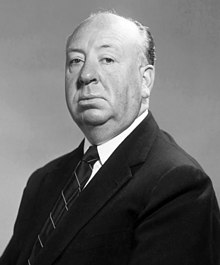
Alfred Hitchcock "The master of Suspense"

Basic information

Born: 13th of August 1899, Leytonstone, London, England

Died: 29th of April, 1980 (aged 80) Bel Air - United States

Other names: Hitch - "The mater of suspense"

Occupation: Film director, film producer

Years active: 1921-1976

Religion: Roman Catholic
Spouse: Alma Reville

Children: Patricia Hitchcock


Sir Alfred Joseph Hitchcock, KBE (13 August 1899 – 29 April 1980) was an English film director and producer.He pioneered many techniques in the suspense and psychological thriller genres. After a successful career in British cinema in both silent films and early talkies, billed as England's best director, Hitchcock moved to Hollywood.
Over a career spanning more than half a century, Hitchcock fashioned for himself a distinctive and recognisable directorial style. He pioneered the use of a camera made to move in a way that mimics a person's gaze, forcing viewers to engage in a form of voyeurism. He framed shots to maximise anxiety, fear, or empathy, and used innovative film editing. His stories frequently feature fugitives on the run from the law alongside "icy blonde" female characters. Many of Hitchcock's films have twist endings and thrilling plots featuring depictions of violence, murder, and crime, although many of the mysteries function as decoys or "MacGuffins" meant only to serve thematic elements in the film and the psychological examinations of the characters. Hitchcock's films also borrow many themes from psychoanalysis and feature strong sexual undertones. Through his cameo appearances in his own films, interviews, film trailers, and the television program Alfred Hitchcock Presents, he became a cultural icon.
Hitchcock directed more than fifty feature films in a career spanning six decades. Often regarded as the greatest British filmmaker, he came first in a 2007 poll of film critics in Britain's Daily Telegraph, which said: "Unquestionably the greatest filmmaker to emerge from these islands, Hitchcock did more than any director to shape modern cinema, which would be utterly different without him. His flair was for narrative, cruelly withholding crucial information (from his characters and from us) and engaging the emotions of the audience like no one else." The magazine MovieMaker has described him as the most influential filmmaker of all time, and he is widely regarded as one of cinema's most significant artists.

Information reference - http://en.wikipedia.org/wiki/Alfred_Hitchcock